Packing and Boxes in Pinner: Smart, Safe, and Efficient Solutions for Every Move
When it comes to Packing and Boxes in Pinner, the difference between a stressful move and a smooth one often comes down to preparation. Whether you are relocating a family home, moving a small office, downsizing, or simply storing seasonal items, the right packing materials and a practical approach can save time, reduce damage, and make the entire process feel far more manageable. In a busy area like Pinner, where homes, businesses, and lifestyles vary widely, having access to dependable packing and box solutions matters more than many people realize.
Good packing is not just about putting items into cardboard boxes. It is about selecting the correct box sizes, using protective materials properly, labeling systematically, and making sure each item is handled in a way that suits its shape, weight, and fragility. From sturdy moving boxes to specialist cartons for artwork, wardrobes, and kitchenware, packing and boxes in Pinner play a key role in protecting belongings and keeping a move organized.
In this article, we explore the practical side of packing, the value of quality boxes, and how residents and businesses in Pinner can benefit from a thoughtful, well-planned packing process. If you are preparing for a move or looking for more efficient storage solutions, the information below will help you make informed decisions and approach the task with confidence.
Why Packing and Boxes in Pinner Matter More Than You Think
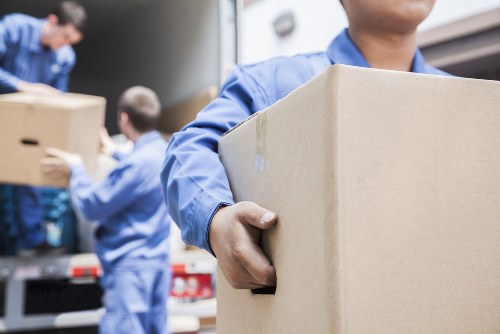
Many people underestimate the importance of quality packing supplies until they face a broken plate, a crushed book box, or a wardrobe item that has shifted in transit. The truth is simple: the right packing and boxes in Pinner can significantly reduce the risks associated with moving and storing belongings. Proper packing protects your items from impact, moisture, dust, and unnecessary handling damage.
Pinner is home to a mix of property types, from period houses and family homes to apartments and commercial premises. This means no two packing jobs are exactly the same. A successful packing strategy must take into account access, item quantity, and the nature of the belongings being moved. For example, a household containing large mirrors, delicate glassware, and heavy books will require a very different approach from an office move involving files, electronics, and furniture.
Efficient packing and boxes in Pinner also contribute to better time management. When everything is labeled, sorted, and boxed correctly, unpacking becomes much easier. Instead of digging through mismatched containers, you know exactly where essentials are located. That kind of organization can make the first few days in a new home or workplace feel calmer and more controlled.
Choosing the Right Boxes for the Job

Not all boxes are created equal. One of the most common mistakes people make during a move is using whatever box they can find, regardless of size or strength. In reality, packing and boxes in Pinner should be selected according to purpose. A lightweight box may be fine for clothing or linens, but books, crockery, or tools need stronger, more durable packaging.
Here are some of the most useful box types for different situations:
- Small boxes: Ideal for heavy items such as books, cans, tools, or kitchenware.
- Medium boxes: Suitable for clothing, toys, household items, and mixed contents.
- Large boxes: Best for lighter, bulkier items like bedding, pillows, and lampshades.
- Wardrobe boxes: Useful for hanging clothes that should remain crease-free.
- Archive boxes: Great for documents, files, and paperwork in office moves.
- Specialist boxes: Designed for fragile or unusually shaped items such as bottles, mirrors, and artwork.
Using the right container helps keep the load balanced and the contents protected. Overfilling a box can cause it to split, while underfilling can allow items to shift and break. The best packing and boxes in Pinner strategy is one that balances durability, size, and practical handling.
How to Pack Efficiently Without Wasting Time
An efficient packing process starts before the first box is filled. It begins with sorting items into clear categories, identifying fragile objects, and deciding what should be packed first. When dealing with packing and boxes in Pinner, it helps to approach the job room by room. This method creates structure and reduces the chance of mixing unrelated items together.
To keep things moving, it is often best to pack non-essential items first. Seasonal decorations, spare bedding, books, decor, and spare kitchenware can usually be boxed well in advance. Everyday items should be left until later, especially if you need them up until moving day. This staged process is particularly useful for families and businesses that cannot afford unnecessary disruption.
Another important technique is proper labeling. Each box should ideally show the room it belongs to, a brief description of its contents, and whether it includes fragile items. Using bold, clear labeling on packing and boxes in Pinner helps movers place items correctly and speeds up unpacking later. It also reduces the chance of important items being lost in the wrong room.
Simple packing habits that save time
- Pack by category or room rather than randomly.
- Keep essential items in a separate box for first-day access.
- Use uniform labeling to make boxes easier to identify.
- Disassemble large furniture where possible to save space.
- Fill empty spaces with paper or soft materials to stop movement.
Protecting Fragile Belongings the Smart Way

Fragile items require special attention, and this is where high-quality packing and boxes in Pinner really prove their value. Plates, glassware, ceramics, mirrors, electronics, and ornaments all need cushioning and support to survive transport safely. Simply placing delicate items into a box is not enough; the internal arrangement matters just as much as the container itself.
Start with a layer of protective material at the bottom of the box. This could be packing paper, bubble wrap, foam, or crumpled paper. Wrap each item individually when necessary, especially if it has sharp edges or breakable surfaces. Place heavier items on the bottom and lighter, more delicate pieces on top. Never let fragile objects touch the sides of the box without some form of cushioning.
Glassware should be packed upright where possible, while plates are safer when stacked vertically with padding between each piece. Electronics should be wrapped carefully and, if available, packed in their original packaging. For particularly valuable items, packing and boxes in Pinner should be chosen with extra caution, and specialist materials may be worth the investment.
Best materials for fragile packing
- Bubble wrap for shock absorption
- Packing paper for wrapping and filling gaps
- Foam sheets for flat or sensitive items
- Strong tape for sealing and reinforcing boxes
- Labels marked FRAGILE for visibility
Packing for Homes of Different Sizes in Pinner
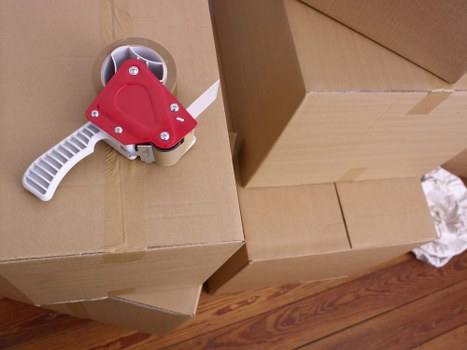
Every home has its own packing challenges. A compact flat may have limited storage but fewer items overall, while a larger family house may contain more possessions, more furniture, and more complex rooms to organize. That is why packing and boxes in Pinner should always be tailored to the size and layout of the property.
For smaller homes, the challenge is often making the most of limited space during the packing process. Keeping hallways clear, stacking boxes safely, and using compact boxes for dense items can make a big difference. In larger properties, the challenge becomes coordination. More rooms mean more categories, more labeling, and more decisions about what to move, store, donate, or discard.
Families often benefit from a room-by-room approach, especially when children’s belongings, school items, toys, and clothing need to be packed separately. Businesses, on the other hand, may need a more methodical system focused on departments, documents, equipment, and workstations. In both cases, packing and boxes in Pinner can be used strategically to reduce confusion and maintain order.
Examples of room-based packing priorities
- Bedrooms: clothing, books, bedside items, and personal belongings.
- Kitchen: crockery, glassware, appliances, and pantry contents.
- Lounge: decor, media accessories, soft furnishings, and framed items.
- Bathroom: toiletries, towels, cleaning supplies, and medicines.
- Office or study: paperwork, devices, cables, and stationery.
Storage and Packing: A Practical Combination

Many people in Pinner require packing solutions not only for moving day but also for longer-term storage. Items kept in storage need to be packed with particular care because they may remain boxed for months at a time. In this context, packing and boxes in Pinner should offer both protection and durability, especially for belongings that may be sensitive to dust, humidity, or compression.
If you are packing for storage, it is wise to use strong boxes that can withstand stacking. Avoid overfilling containers, and make sure each box is sealed securely. For items likely to be accessed again, choose a clear labeling method that allows you to identify the contents quickly without opening every box. This is especially useful for seasonal goods, archived paperwork, spare stock, or hobby equipment.
Storage packing also benefits from thoughtful organization. Heavier boxes should be placed lower down, while lighter or more delicate items can go higher. If you are storing furniture, take time to wrap surfaces, protect corners, and remove detachable parts where possible. Proper packing and boxes in Pinner can preserve the condition of your belongings and help you make better use of your storage space.
Sustainable Choices for Packing and Boxes in Pinner
More people today are thinking carefully about sustainability, and packing is no exception. Reusable boxes, recycled cardboard, and reduced plastic use can all make a positive difference. Choosing eco-friendly packing and boxes in Pinner is not only better for the environment, but often better for your budget too, especially when materials can be reused for future moves or storage projects.
There are several ways to make packing more environmentally responsible:
- Use recycled or recyclable boxes where possible.
- Reuse sturdy boxes from previous moves or deliveries.
- Choose paper-based cushioning instead of excess plastic wrap.
- Donate unwanted items before packing to reduce volume.
- Break down and recycle boxes after unpacking.
It is also worth considering the quantity of materials used. Overpacking with unnecessary layers can create waste without improving protection. A more measured approach to packing and boxes in Pinner can offer excellent results while keeping environmental impact in check.
Common Packing Mistakes to Avoid
Even a simple move can become difficult if common packing mistakes are made. One of the biggest errors is using weak or damaged boxes. Another is failing to label clearly, which creates confusion on arrival. With packing and boxes in Pinner, avoiding these mistakes is often the key to a more efficient and less stressful experience.
Other frequent issues include packing too many heavy items into one container, leaving empty spaces inside boxes, and forgetting to protect fragile corners and surfaces. It is also easy to overlook the importance of preparation. Rushing at the last minute often leads to poor decisions, disorganized boxes, and unnecessary breakages.
To stay on track, try using a checklist and packing materials in advance. This gives you time to gather suitable boxes, tape, markers, wrapping materials, and labels. A little planning can prevent a lot of frustration. When it comes to packing and boxes in Pinner, good habits always pay off.
Common mistakes and how to avoid them
- Using boxes that are too large for heavy items.
- Failing to cushion items properly.
- Mixing unrelated contents in one box.
- Not sealing boxes securely with strong tape.
- Leaving essential items packed away with no access plan.
How Businesses in Pinner Benefit from Professional Packing Supplies
It is not only households that need reliable packing solutions. Offices, shops, and other businesses in Pinner also depend on effective organization when moving, storing files, or transporting stock. In business settings, packing and boxes in Pinner support continuity, protect valuable assets, and reduce downtime.
For offices, archive boxes and document cartons help keep paperwork orderly and secure. Technology, such as monitors, printers, and computers, should be packed with special care and appropriate cushioning. For retail or stock-based businesses, strong cartons and uniform labeling systems make inventory easier to manage. When every box is clearly marked and packed logically, staff can resume work more quickly after the move.
Business owners often appreciate packing systems that are efficient, scalable, and adaptable. Whether moving a small office or reorganizing a larger commercial space, the right packing and boxes in Pinner can simplify logistics and create a smoother transition from one location to another.
Preparing a Packing Plan That Actually Works
A packing plan turns a large, overwhelming task into a sequence of smaller actions. Instead of trying to deal with everything at once, you can assign priorities and work through your list methodically. For anyone looking into packing and boxes in Pinner, this step is often what separates a rushed move from a well-managed one.
Begin by identifying what needs to be packed, when it needs to be packed, and what materials are required. Then set aside time for each room or category. If possible, complete non-essential rooms first and leave daily-use items until the end. Keep a separate container for items you will need immediately after the move, such as chargers, toiletries, keys, documents, and basic kitchen essentials.
A useful packing plan should also account for the physical logistics of moving. For example, decide where boxes will be stacked, how fragile items will be transported, and whether any bulky furniture needs to be dismantled ahead of time. The more organized your approach to packing and boxes in Pinner, the easier it becomes to manage the move from start to finish.
What a practical packing plan should include
- A list of required packing materials and box types.
- A room-by-room packing schedule.
- A labeling and inventory system.
- A separate essentials box for the first day.
- A timeline for disposal, donation, or storage of unwanted items.
Why Quality Matters When Selecting Packing Materials
The quality of your materials can make a noticeable difference in the outcome of your move. Strong tape, durable cardboard, and reliable wrapping materials all contribute to better protection and easier handling. If you are sourcing packing and boxes in Pinner, it is worth remembering that cheaper materials may not always be the best value if they fail under pressure.
High-quality materials help boxes hold their shape, keep contents secure, and reduce the chance of damage during lifting and transport. They also tend to be more user-friendly. Better tape sticks more reliably, stronger boxes stack more safely, and properly designed cartons support better organization overall. The peace of mind this provides is often well worth the investment.
Professional-looking packing and boxes in Pinner are not only about appearance. They signal care, structure, and attention to detail. Whether you are moving family possessions or business equipment, quality materials help protect what matters most and make the process far more manageable.
Final Thoughts on Packing and Boxes in Pinner
From choosing the right cartons to labeling every container clearly, packing and boxes in Pinner are central to a smooth, safe, and organized move. Whether your priority is protecting fragile items, storing belongings for the long term, or relocating a home or business, the right materials and methods make all the difference. Careful packing saves time, reduces stress, and helps ensure your possessions arrive in good condition.
In a place like Pinner, where every move can have different demands, it pays to think ahead. Use boxes suited to the contents, follow a logical packing structure, and keep protection and clarity at the center of your approach. If you need a solution that is practical, efficient, and tailored to your situation, now is the time to take action.
Contact us today to explore your options for packing and boxes in Pinner, or book your service now to get started with a more organized and stress-free move.