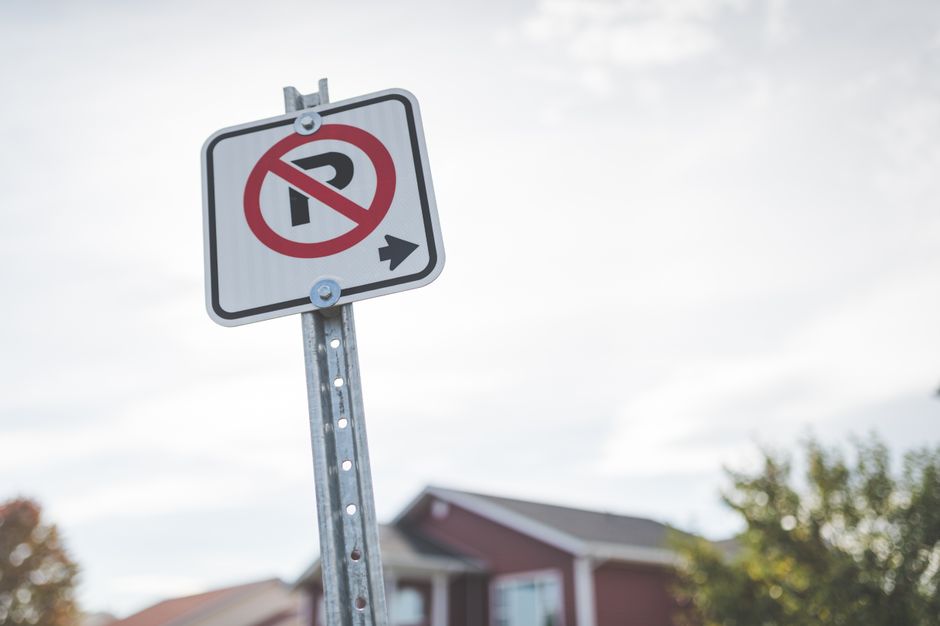
Parking suspension rules in HA5: removals and road closures
If you are moving house, shifting office furniture, or arranging a bulky delivery in HA5, parking can become the thing that throws the whole day off. One bay looks fine in the morning, then a suspension notice appears, a road closure gets put in place, or a neighbour has already claimed the best spot. Suddenly the plan is wobbling. Parking suspension rules in HA5: removals and road closures are not just admin details; they shape whether a van can park legally, whether loading is possible, and whether your move runs on time.
This guide breaks everything down in plain English. You will learn what parking suspensions and road closures usually mean for removals, why they matter, how to plan around them, and how to reduce stress on moving day. We will also cover common mistakes, practical checklists, and a few sensible ways to stay flexible if access changes at the last minute. Truth be told, a smooth move is often just a well-planned parking space away.
Why Parking suspension rules in HA5: removals and road closures Matters
Parking suspensions and road closures matter because removals are time-sensitive. A team arrives with a van, boxes, protectors, maybe a trolley or two, and the work only starts properly once the vehicle can stop near the entrance. If the nearest bay is suspended, or the road is closed for works or event traffic management, the move becomes slower, more physical, and more expensive in practical terms.
In HA5, as in many London areas, the knock-on effect can be surprisingly big. A short walk from van to front door may not sound terrible on paper, but add stairs, rain, awkward furniture, or a narrow pavement and the whole thing becomes harder. You may also risk obstructing traffic, parking in a restricted place, or having to unload in a way that is not safe. Nobody wants to be that person trying to squeeze a sofa past a cone at 8:15 in the morning. It is not fun. At all.
For removals, the core issue is access. When access is uncertain, the move becomes a logistics exercise rather than a straightforward transport job. That is why understanding suspension timing, road closure windows, and loading arrangements early on saves time, money, and a lot of sighing on the kerbside.
If you are comparing moving support options, it can help to think about the full chain: packing, loading, vehicle access, and storage if delays occur. Services such as removals, man and van, and removal van hire are most effective when the parking plan is sorted first, not last.
How Parking suspension rules in HA5: removals and road closures Works
A parking suspension temporarily removes normal parking rights from a marked bay or street section. In simple terms, the usual place where vehicles might park is reserved for a specific reason: works, access, a moving vehicle, filming, utility repairs, or another authorised use. A road closure goes a step further by restricting or stopping through traffic on a section of road, usually for safety, works, or event management.
For movers, these restrictions affect three things:
- Where the van can stop for loading or unloading.
- How close the team can get to the property entrance.
- How long the loading process takes if access is limited or diverted.
The details can vary. Sometimes a suspension covers one bay. Sometimes it covers several. Sometimes a closure only applies at certain times. Sometimes there is still pedestrian access but not vehicle access. And sometimes signs appear with very little lead time. That is why a day-old plan can become useless fast.
In practical terms, you should always check for:
- the exact street name and bay location
- the start and end time of the restriction
- whether loading is permitted during the suspension or closure
- what alternative stopping places are nearby
- whether access for residents or contractors is mentioned on the notice
For bigger moves, the safest approach is to build a little buffer into the timetable. If the van cannot stop immediately outside, you do not want every minute of the schedule disappearing in the first half hour. That is where a more flexible service, such as man with a van or moving truck support, can be useful because the vehicle type and loading setup can be matched to the access you actually have.
Key Benefits and Practical Advantages
Getting parking and access right is not just about compliance. It has real moving-day benefits. The first and most obvious is speed. If a vehicle can park close to the property, the loading route is shorter, which means less carrying, less fatigue, and less chance of damage.
There is also the safety angle. Long carries through busy streets or around roadworks increase the risk of trips, strained backs, and knocks to furniture. The minute you start improvising around barriers, cones, or moving traffic, the job becomes less predictable. A calmer access plan usually means a safer team and a safer property.
Another benefit is cost control. Many people think parking is just a local inconvenience, but in moving work it can influence labour time, waiting time, and even the size of vehicle needed. If access is tight, you may decide that a larger vehicle is not the answer; a smaller, more manoeuvrable option might actually work better. That sort of judgement call matters.
There is also peace of mind. It sounds a bit soft, but it is real. When the parking side is handled, the rest of the move feels manageable. Boxes can move. Tapes can be found. The kettle gets unpacked. Life goes on.
For households and businesses alike, a good parking plan can support related services too, such as home moves, house removals, and office removals. If you are moving sensitive items, it can also pair well with packing and boxes or packing and unpacking services so the crew is not losing time while you are still taping the last carton shut.
Who This Is For and When It Makes Sense
This topic is relevant to a lot more people than you might expect. In HA5, parking suspensions and road closures can affect anyone planning a move or delivery where vehicle access matters. That includes:
- homeowners moving into or out of a flat, terrace, or maisonette
- landlords and letting agents arranging quick turnarounds
- students moving items in and out between terms
- small businesses relocating desks, files, and stock
- people moving large furniture, pianos, or awkward items
- families needing storage because access is delayed or staggered
It makes the most sense to focus on this early if your property is on a narrow road, has controlled parking, sits near a school, or is affected by regular maintenance and utility works. In other words, if parking is already tight on a normal day, assume it will be worse on moving day. That is not pessimism. That is experience.
It is also worth thinking about timing. School runs, weekend traffic, permit zones, and residential parking pressure can all complicate access. If your move lands on a busy weekday morning, a route that looked easy at 2 p.m. might become a headache by 8:30. Mildly annoying, yes. Predictable? Also yes.
For smaller moves, same day removals may be an option if timing shifts, while storage can help if a closure or suspension means you need to split the move into two stages. Students, in particular, often benefit from student removals when access windows are tight and everything needs to happen quickly between one key handover and the next.
Step-by-Step Guidance
Here is a sensible way to handle parking suspensions and road closures without overcomplicating things.
- Check the access conditions early. Look at the street outside the property and note any signs, yellow lines, loading restrictions, or controlled bays. If you have a scheduled move, do not leave this until the night before.
- Confirm the moving vehicle's stopping point. Decide where the van can legally wait, load, and depart. If the nearest space is suspended, identify a realistic alternative.
- Plan for walking distance. If the vehicle cannot get close, estimate how far items need to be carried. A short distance can be fine; a long one with stairs is another story.
- Build in time buffer. Add extra time for manoeuvring, re-parking, or waiting for access to open. A ten-minute delay can easily become thirty.
- Match the vehicle to the access. A larger lorry is not always better. Sometimes a compact removal van is the smarter choice on a tight road.
- Prepare a loading zone inside the property. Keep items grouped near the exit so the team is not hunting around while the van waits outside.
- Have a fallback plan. If the suspension blocks the ideal spot, decide in advance where the backup parking will be and who will direct the driver.
- Stay in contact on the day. A quick call or message can solve a lot if traffic, closure timings, or permit issues change unexpectedly.
A lot of people skip step 7. Then everyone is standing there, looking at each other, and somehow the van is expected to magically appear in the perfect place. It would be lovely if that worked, but, well, no.
Expert Tips for Better Results
One of the best bits of advice is to think in layers: legal access, physical access, and operational access. Legal access asks, "Can the van stop here?" Physical access asks, "Can the furniture pass safely?" Operational access asks, "Will this keep the move moving?" If any one of those fails, delays follow.
Here are a few field-tested habits that help:
- Photograph the parking signs once you have checked them. It helps if timings or bay markings are disputed later.
- Keep cones, permits, or notices visible if they have been provided for your move. People miss small signs in busy streets.
- Protect stairwells and hallways if items must be carried further than expected. A bit of floor protection can save awkward conversations with neighbours or landlords.
- Pre-pack heavy items in sensible sizes so no one is carrying a giant, wobbling box across the road.
- Use a smaller team for tighter access if the road is narrow or partially closed. More hands are not always better if everyone is getting in each other's way.
If your move is business-related, working with a provider that understands access planning can save a lot of grief. A good removal services team should be able to adapt around closures, staggered loading, and awkward roadside conditions. For more complex relocations, commercial moves and office relocation services often need more careful scheduling than people expect.
One more thing: do not assume the nearest space is the best one. Sometimes parking one road over and taking a cleaner route on foot beats trying to reverse into a tighter bay under pressure. Small decision, big difference.
Common Mistakes to Avoid
Most parking problems around removals come from the same handful of avoidable mistakes. The first is leaving the parking check too late. People often sort the boxes, the keys, the cleaning, and the utilities, then discover the road outside has a temporary suspension. That is a rough moment.
Another common mistake is ignoring the time window on signs. A bay might be available in the morning and suspended from midday, or the reverse. If you only look at the location and miss the timing, you are relying on luck. And luck, as we know, has a weird sense of humour.
Some people also underestimate how much unloading time changes when access is restricted. If the van has to park further away, the move can require extra labour or multiple trips. That can be manageable, but only if it is planned.
Other mistakes include:
- assuming loading is allowed just because the vehicle is "only there for a minute"
- forgetting to tell the mover about closures, roadworks, or narrow access
- not arranging a backup parking spot
- choosing a vehicle that is too large for the street
- leaving fragile items unprotected when they need to be carried a longer distance
The simplest fix is to treat parking as part of the move plan, not as an afterthought. That one mindset change prevents a lot of trouble.
Tools, Resources and Recommendations
You do not need fancy software to manage parking access, but a few basic tools help a lot. A phone camera, a notes app, a printed move schedule, and a tape measure can be more useful than people expect. The tape measure, especially, can be underrated. A sofa that looks "probably fine" can become a full-on problem in a narrow stairwell.
Useful things to prepare include:
- a list of the property entrance points
- the route from street to front door or lift
- the number of steps, if any, between the van and the property
- the times when parking is likely to be busiest
- contact details for the person who can make decisions on the day
If you are comparing move types, it can also help to look at the broader service fit. For example, flat removals often need more access planning than ground-floor homes. If you are shifting a single piece or a roomful of furniture, furniture removals or even furniture pick up may be enough. For piano or other specialist items, parking and handling both need a bit more care than the average job.
It is also worth checking the business basics before you book. Pages like pricing and quotes, insurance and safety, and terms and conditions can help you understand what is covered, what is expected, and how unexpected access issues may be handled. That is just sensible due diligence, really.
Law, Compliance, Standards, or Best Practice
Parking suspensions and road closures sit within local traffic management rules and road use controls, so the exact position in HA5 depends on the relevant authority and the notice in force. Because of that, the safest approach is to rely on the signage and any formal instructions in place at the time. Do not guess. Do not assume yesterday's arrangement still applies today.
For moving work, best practice usually means:
- park only where it is legally permitted
- follow suspension notices and road closure instructions exactly
- keep pedestrians safe when moving items across public spaces
- avoid blocking access for residents, emergency services, or other road users
- ensure drivers and movers are briefed before arrival
In practical terms, this is less about paperwork for its own sake and more about keeping everybody safe and avoiding disruption. If a road is closed, that closure is there for a reason. If a bay is suspended, someone has likely planned the space for a specific use. Fighting the system is a waste of energy. Better to work with the access that exists and adjust your plan around it.
For businesses, keeping records of parking arrangements, access issues, and agreed timings is wise. For households, a simple note or message thread is usually enough. Either way, clarity is the goal.
Options, Methods, or Comparison Table
Not every move needs the same parking strategy. Here is a simple comparison to help you choose the right approach.
| Approach | Best for | Strengths | Limitations |
|---|---|---|---|
| Park as close as possible | Easy residential access, short unloads | Fast, efficient, less carrying | Can fail if bays are suspended or roads are closed |
| Use a nearby alternative street | Busy HA5 streets with controlled parking | Flexible, often legally safer | Longer carry distance, more time needed |
| Schedule around the restriction window | Known suspension or temporary closure times | Efficient and tidy if timings line up | Less room for delay; a late start can cause trouble |
| Use a smaller vehicle | Narrow roads, limited stopping space | Easier manoeuvring, often less stressful | May require more trips or careful packing |
| Split the move with storage | Closures, staggered access, chain delays | Reduces pressure on the same day | Adds handling and requires extra organisation |
In many real-life moves, the best answer is a mix of these options rather than just one. That is the part people sometimes miss. The smartest plan is often the one that bends a little.
Case Study or Real-World Example
Picture a typical Friday move in HA5. A family is leaving a first-floor flat on a road where parking is usually tight and the nearest bay is suspended for maintenance. The van cannot sit directly outside, so the team parks a short distance away on a side street. Nothing dramatic. Just enough of a change to matter.
Because the family had been warned in advance, they had already boxed the smaller items, disassembled the bed, and moved fragile items close to the hall. They also kept the hallway clear so the team could work quickly without stepping around shoes, recycling bags, and a half-open umbrella stand. You know the sort of thing.
The move still took longer than if the van had parked right outside, but it stayed calm. No one had to rush a sofa through moving traffic. No one was scrambling to find a second parking space at the last minute. And because storage had been considered as a backup, there was room to split the move if weather or access changed again. A simple plan, really, but a good one.
That is the lesson. Access problems do not have to ruin a move. They just need to be handled like the real operational issue they are.
Practical Checklist
Use this checklist before moving day. It is simple, but it works.
- Check whether any parking bay near the property is suspended.
- Check whether a road closure affects access, loading, or turning space.
- Confirm the exact times of any restriction.
- Identify a legal backup parking spot nearby.
- Tell the mover about narrow roads, one-way systems, or access barriers.
- Measure large furniture and compare it with the available route.
- Pack items so the first load is ready to go without delay.
- Keep entrances, hallways, and stairwells clear.
- Agree who will direct the driver if the access plan changes.
- Have phone numbers ready for the property contact and the mover.
- Consider storage if the move may need to be split.
- Double-check the plan on the morning of the move.
If you are moving on a busy street, do one final walk outside before the vehicle arrives. That little five-minute check can save a lot of back-and-forth.
Conclusion
Parking suspension rules in HA5: removals and road closures can look like a small detail, but they have a big effect on how smoothly a move happens. The good news is that they are manageable once you know what to look for. Check the street, read the timings, build in a fallback, and match the vehicle and service to the access you actually have.
The people who feel least stressed on moving day are usually not the ones with the fanciest plan. They are the ones with the clearest one. That is the real advantage here. A bit of preparation, a bit of flexibility, and a lot less standing around with your arms folded while the clock ticks. It makes all the difference.
If you want a moving plan that takes parking, access, and timing seriously, start with a service conversation that covers the street outside as well as the items inside. A calm move is rarely accidental.
Get a free quote today and see how much you can save.
Frequently Asked Questions
What does a parking suspension mean for a removal van in HA5?
It usually means the normal parking space is temporarily unavailable, so the van cannot stop there unless the notice specifically allows it. For removals, that affects loading, unloading, and timing, so the alternative parking plan matters.
Can movers load or unload during a road closure?
Sometimes, but not always. It depends on the type of closure, the signs in place, and whether access is permitted for residents or authorised vehicles. You should never assume loading is allowed just because the vehicle is only there briefly.
How far in advance should I check parking suspension rules?
As early as possible. If you are booking a move, check parking as part of the planning stage, not just the day before. Closures and suspensions can change, so it is sensible to re-check close to moving day as well.
What should I do if the nearest bay is suspended on move day?
Use the backup spot you planned in advance, or contact the mover to adjust the arrival sequence. A nearby legal space is usually better than trying to force a stop in a restricted bay. That rarely ends well.
Do parking suspensions affect flat removals more than house removals?
Often, yes. Flats tend to have tighter access, more stairs, shared entrances, and less space for loading. That makes parking issues more noticeable, especially if items need to be carried further.
Is a smaller van better for restricted streets in HA5?
Very often it is. A smaller vehicle can be easier to position in narrow roads or around temporary restrictions. The trade-off is that you may need a bit more packing discipline or more than one trip.
Should I tell the removal company about road closures before booking?
Yes, absolutely. The more the mover knows about access constraints, the better they can plan the vehicle size, timing, and crew. It is one of those details that seems small until it is not.
Can storage help if parking or access is difficult?
Yes. If the move cannot happen cleanly in one go, storage can help split the job into manageable stages. That can be especially useful if a closure affects the exact handover window.
What is the biggest mistake people make with parking around removals?
Probably assuming the first available space will still be available when the van arrives. Parking in busy areas changes quickly, and temporary suspensions can appear with little notice. Always have a backup plan.
How do I know whether my move needs special planning?
If the road is narrow, parking is controlled, the property is on a main route, or the move involves large items, you should plan carefully. If in doubt, assume extra access planning is needed. It usually is.
What should I ask a mover about parking before moving day?
Ask where the vehicle can stop, what happens if the closest bay is suspended, whether the road layout suits the vehicle size, and how much extra time may be needed if access is restricted. Simple questions, but very useful ones.
Can commercial moves in HA5 be affected by parking suspensions too?
Yes. Office and commercial relocations often involve larger vehicles, more items, and tighter schedules, so parking restrictions can have an even bigger impact. Good access planning is a real advantage there.
What if I am moving at short notice?
If the move is last-minute, focus on the essentials: check the street, confirm the restriction times, and choose a mover who can adapt. Services like same day removals can be helpful when timing is tight, but the parking plan still comes first.