Best removal access around Pinner Memorial Park and HA5
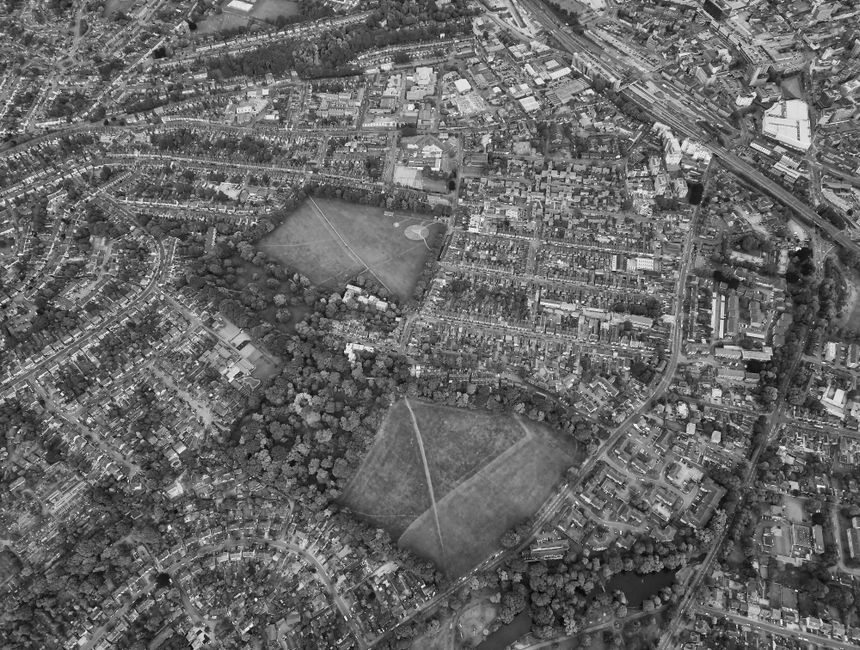
If you are planning a move near Pinner Memorial Park, you already know the tricky bit is often not the lifting, it is the access. Narrow residential roads, parked cars, school-time traffic, garden walls, shared driveways, and the odd awkward corner can turn a straightforward job into a slow one. The best removal access around Pinner Memorial Park and HA5 is about making the move easier before the van even arrives: choosing the right vehicle, planning the route, checking where items can be loaded safely, and avoiding the small delays that stack up fast.
In this guide, we will walk through what good removal access really looks like in HA5, how to judge whether your property is easy or awkward to service, and what practical steps make the whole day calmer. Truth be told, a well-planned move is usually less about brute strength and more about decent access, timing, and a bit of common sense. That is the difference between a move that feels controlled and one that feels like a mild traffic incident.
Why Best removal access around Pinner Memorial Park and HA5 Matters
Access sounds like a small detail until moving day arrives. Then it becomes everything. Around Pinner Memorial Park and the wider HA5 area, access can be shaped by local road width, parking pressure, driveway layout, tree-lined streets, and the simple fact that one badly placed vehicle can slow the whole operation. When removal access is planned properly, loading is faster, fragile items are handled more safely, and the crew spends less time wrestling with logistics and more time actually moving your belongings.
There is also a cost angle. Poor access can mean more labour time, extra trips, longer loading windows, or the need for a smaller shuttle vehicle if a larger van cannot get close enough. Nobody likes paying for preventable delays. And to be fair, most people do not realise how much difference a few metres make until they see a sofa being carried awkwardly round a bend in the rain.
For families, downsizers, landlords, and business owners alike, good access reduces stress. It also helps with safety. A cleaner loading area means fewer trip hazards, less lifting over obstacles, and less chance of bumping walls, banisters, or door frames. That matters whether you are moving a two-bed flat, a family home, or a small office setup.
Expert summary: the best removal access is not always the widest access. It is the access that is easiest to use safely, with the fewest obstacles, the shortest carrying distance, and the clearest plan for the day.
How Best removal access around Pinner Memorial Park and HA5 Works
Good access planning starts before the van arrives. A removal team will usually look at four things: approach route, stopping point, carrying distance, and any restrictions on the street or at the property. On a quiet day, a van can often park close to the front entrance. On a busier morning, though, the same spot might be blocked by resident parking, delivery vehicles, or an awkward bend that makes reverse manoeuvres tricky. This is where local knowledge pays off.
The process is simple in principle. You identify the most sensible loading point, check whether a van can stop there safely, and then make sure the path from property to vehicle is clear. If the property has steps, a narrow hallway, or a shared entrance, the team may need extra hands or better packing methods. If it is an apartment, lift access and stairwell width matter just as much as curbside space. A move can be perfectly manageable even with tight access, but it has to be planned with eyes open.
In practical terms, the best access usually combines:
- a legal and realistic stopping place for the van
- a short, unobstructed path to the door
- room to turn, load, or stage items without blocking neighbours
- clear permission if part of the space is shared, private, or controlled
- the right vehicle size for the street and the property
If you are comparing man and van style help with a larger team, access is often the deciding factor. A smaller vehicle can sometimes beat a bigger one simply because it gets nearer to the door. That is not glamorous, but it is real-world moving logic.
Key Benefits and Practical Advantages
There are several genuine benefits to getting removal access right around Pinner Memorial Park and HA5. Some are obvious; some only become obvious after you have had a bad moving day. The biggest benefit is speed. When a van can park close to the entrance, the crew spends less time walking back and forth, and more time moving items efficiently. That alone can make the day feel much more controlled.
Another advantage is reduced damage risk. Long carries increase the chance of knocks, slips, and tired handling. A shorter route from home to vehicle lowers that risk. It also makes it easier to protect floors, corners, and furniture. If you have ever watched a wardrobe inch through a tight hallway, you will know why access planning matters. Little things matter. A lot.
There is also a better customer experience. People moving home are usually juggling keys, utilities, children, pet care, and maybe a last-minute bit of panic about the kettle. A tidy access plan takes one layer of worry away. It also makes it easier for the moving team to work smoothly without stopping every few minutes to reassess the route.
Practical benefits include:
- less carrying distance
- fewer delays caused by parking issues
- lower risk of item damage
- better protection for walls, doors, and staircases
- more predictable timing on moving day
- easier coordination with neighbours or building management
If you are also comparing broader service options, pages such as removal services and removals can help you think about the job in the round rather than just the van size. Access is part of the service, not an afterthought.
Who This Is For and When It Makes Sense
This matters for almost anyone moving in or out of HA5, but it is especially useful if your property has limited parking, a shared drive, a basement level, or an upper-floor flat. It also matters if you are moving during a busy time of day, during school runs, or when local parking is tight enough to make the simplest manoeuvre feel like a puzzle.
You will benefit from access planning if you are:
- moving from a terraced house with restricted street parking
- moving into a flat or maisonette with narrow stair access
- removing large furniture like wardrobes, sofas, or appliances
- working to a fixed completion time or handover window
- trying to avoid upsetting neighbours or blocking driveways
- using a smaller vehicle because a larger lorry would not fit nearby
It also makes sense if you are only moving a few items. Small moves can be deceptively awkward because people assume they will be easy. Then the single sofa has to be carried around two parked cars, a low wall, and a hedge that seems determined to win. In those cases, a flexible service like movers or furniture pick up can be the more sensible option.
If you are still deciding between different types of help, a reliable removal company should be able to talk through access honestly rather than promising miracles. That honesty is a good sign.
Step-by-Step Guidance
Here is a practical way to plan the best removal access around Pinner Memorial Park and HA5 without overcomplicating it. You do not need a spreadsheet for everything, although if you like spreadsheets, fair enough, this will still work.
- Walk the route from the front door to the road. Look for steps, narrow doorways, turns, low branches, bins, parked cars, and anything that might slow carrying.
- Measure the awkward bits. If there is a tight hallway, stair landing, or side gate, measure width and height. Even rough measurements help a removal team judge what will fit.
- Check the street parking situation. See whether a van can legally stop close to the property and whether nearby parking habits will affect access at your moving time.
- Decide the best vehicle size. A removal van may suit tighter access better than a larger truck, especially if the route is narrow or busy.
- Plan the loading point. Pick the safest place to load and unload. Ideally, it should be close, flat, and not blocking entrances or crossings.
- Prepare the property. Clear hallways, remove loose mats, secure pets, and keep pathways open. A clear path is a huge help. Really huge.
- Tell the team about the awkward items. Sofas, beds, washing machines, and glass tables often need a bit more planning than boxes do.
- Build in a little time buffer. Access around Pinner Memorial Park and HA5 can be affected by local traffic, school times, and parking availability. A sensible buffer helps.
If packing still feels like the bottleneck, it can help to add packing and unpacking services so the move day is less frantic. Sometimes the calm choice is the clever one.
Expert Tips for Better Results
Here is where a few practical insights make a real difference. First, think in terms of carrying distance, not just postcode. A van parked three doors away can add a surprising amount of time if the path is crowded or the route has steps. Second, be honest about what the crew will face. A lot of access problems happen because people understate them. "It is just a short walk" can become a long one very quickly.
Third, use the property layout to your advantage. If there is a rear entrance, side access, or a private driveway, it may be much better than front-loading. If there is a choice, choose the route with fewer turns and fewer obstacles, even if it feels slightly less direct. Direct is not always best. Safe and simple usually wins.
Some other useful tips:
- schedule the move outside the busiest local traffic periods where possible
- leave clear instructions for any shared gates, entry codes, or basement access
- protect floors and thresholds before the heavy lifting starts
- keep essentials in one easy-to-reach bag so you are not rummaging mid-move
- if a larger vehicle cannot get close, ask about a shuttle plan rather than improvising on the day
One small but important point: if you are moving from a home with delicate communal areas, it is worth checking how items will be carried through the building. That includes stairwells, lift use, and any booking rules. It is not dramatic, just sensible.
Common Mistakes to Avoid
The most common mistake is assuming access will sort itself out on the day. It rarely does. If parking is awkward in the morning, it is usually awkward in the afternoon too. Another frequent mistake is choosing a vehicle that is too large for the street. A bigger van sounds efficient, but if it cannot stop near the door, you may lose that efficiency in carrying time.
Other mistakes include:
- not checking whether there are resident parking restrictions
- forgetting to mention stairs, tight turns, or split-level layouts
- leaving bins, planters, bikes, or garden furniture in the carry path
- underestimating how long loading takes for bulky furniture
- not preparing for weather, especially rain or slippery steps
- booking too tightly around key handover times
There is also the classic mistake of believing every sofa will somehow turn sideways and fit. Occasionally it does. Often it does not. I have seen people become deeply optimistic about doorframes, then quietly reconsider their life choices five minutes later. Better to check first.
Tools, Resources and Recommendations
You do not need fancy equipment to improve removal access, but a few practical tools help a lot. A tape measure is still one of the most useful things in the house. So is a simple phone camera for photographing access points, parking spaces, and any tight corners the moving team should know about. A notepad, a few labels, and basic protective materials can also make the day feel far more controlled.
Recommended approach:
- Measure key widths: doors, hallways, gates, stair landings, and the vehicle approach if possible.
- Photograph the route: especially if there is limited space, a tricky turn, or shared access.
- Label rooms and priority items: this helps loading order and reduces confusion at the point of departure.
- Use floor and corner protection: especially in hallways and around tight bends.
- Keep a small access note: entry codes, parking notes, neighbour warnings, and best loading times.
For people comparing move support types, man with van and man and van removals are often worth considering when access is compact and flexibility matters more than sheer vehicle size. If you need a larger-scale move, home moves can be a better fit.
A quick reminder: if you are comparing quotes, make sure access details are included in the conversation. A quote based on easy loading should not be treated as fixed if the reality is a narrow street and a third-floor flat. That is just asking for trouble.
Law, Compliance, Standards, or Best Practice
When access affects parking, loading, or use of shared spaces, you should always treat local rules and property arrangements seriously. In the UK, best practice usually means checking whether a vehicle can lawfully stop where you want it to, whether there are restrictions on waiting or loading, and whether any permits, permissions, or building rules apply. The exact requirements can vary, so it is wise to confirm the details rather than guessing.
If the move affects a shared driveway, communal entrance, or private estate, building management or neighbours may need advance notice. That is not just polite; it can prevent conflict and delays. Health and safety also matters. Good moving practice includes sensible manual handling, clear walkways, and safe lifting methods. If a team is working with heavy items in a tight area, the safest route is usually the one with the least risk, even if it takes a minute longer.
Useful standards of behaviour are simple:
- do not block access for emergency vehicles or neighbours
- do not assume you can use private land without permission
- do not overload walkways with boxes or loose items
- do not lift in a way that puts people at unnecessary risk
- do communicate clearly about constraints before moving day
If you want confidence on the operational side, look for a provider that treats insurance and safety as part of the service, not a side note. You can also review a company's health and safety policy and terms and conditions so expectations are clear. It is a small admin step, but it can prevent a lot of misunderstanding later.
Options, Methods, or Comparison Table
There is no single best access method for every move. The right choice depends on the property, the street, and the items being moved. Below is a simple comparison to help you think it through.
| Approach | Best for | Strengths | Limitations |
|---|---|---|---|
| Large removal vehicle | Homes with open access or long-distance moves | Good capacity, fewer trips, efficient for larger loads | Can struggle on tight streets or limited parking |
| Smaller removal van | Tight residential roads, shorter carries, compact properties | Easier to park nearby, more flexible in narrow spaces | May need more than one trip for larger loads |
| Man and van support | Small to medium moves, student moves, single-item transport | Flexible, practical, often easier where access is awkward | Not always ideal for large family homes |
| Full-service removals | Whole-home moves, busy schedules, complex access | More support, better for planning and coordination | May be more than needed for a small move |
The best choice is the one that fits the real access conditions, not the one that looks strongest on paper. A van that can actually get near your front door will usually outperform a bigger vehicle parked half a street away. It's a bit unglamorous, but that is how moves actually work.
Case Study or Real-World Example
Here is a straightforward example. A family moving from a house near Pinner Memorial Park had a clear driveway, but the front approach was narrow and the driveway curved close to a boundary wall. They originally assumed a larger vehicle would be best because there was enough volume to fill. After looking at the route, they chose a smaller vehicle instead and moved in a single efficient run rather than forcing a bigger van into a poor stopping position.
The result was calmer loading, less time spent carrying across the pavement, and no awkward reversing near the bend. A couple of pieces of furniture were slightly fiddly at the door, but because the team had clear measurements and knew about the wall in advance, they handled it without drama. Not perfect, just sensible. And honestly, sensible usually wins on moving day.
That kind of planning is especially helpful when access changes through the day. A street that is fine early in the morning can feel much busier by mid-morning. A short window can matter more than people expect, which is why local timing and access notes are such a good idea.
Practical Checklist
Use this checklist before the van arrives. It will save you time, and probably a bit of stress too.
- Have you walked the route from property to vehicle?
- Have you measured any tight doors, gates, hallways, or stair turns?
- Have you checked parking options and loading restrictions?
- Have you told the moving team about stairs, lifts, or shared access?
- Have you removed obstacles like bins, bikes, and loose furniture?
- Have you protected floors, corners, and any delicate surfaces?
- Have you planned for weather, especially rain or slippery paths?
- Have you packed essential items separately?
- Have you confirmed any building rules, permits, or access codes?
- Have you allowed enough time for loading and arrival flexibility?
If you can tick most of those off, you are in much better shape than most people on move day. And yes, the kettle should be kept where you can find it. That one matters more than people admit.
Get a free quote today and see how much you can save.
Conclusion
The best removal access around Pinner Memorial Park and HA5 is really about being practical, prepared, and realistic. Good access reduces stress, protects your belongings, and helps the day stay on schedule. It also gives you more control over costs and fewer surprises when the van turns up. That is the real aim: a move that feels organised rather than improvised.
Whether you are moving from a compact flat, a family house, or a property with tight parking and awkward turning space, the same principle applies. Check the route, choose the right vehicle, share the details early, and keep the loading area clear. Simple, yes. Easy every time? Not quite. But manageable, absolutely.
And if you take one thing from this guide, let it be this: access is not just about space, it is about planning. Get that right and everything else tends to settle down nicely.
Frequently Asked Questions
What does removal access mean?
Removal access means how easily a moving team and vehicle can reach your property, load items, and leave again. It includes parking, carrying distance, steps, door width, and any route obstacles.
Why is access so important for moves around Pinner Memorial Park and HA5?
Because local parking, road width, and property layouts can directly affect how long loading takes and how safely items can be moved. Better access usually means a smoother, quicker job.
How do I know if my property has poor access?
If the van cannot park close by, the hallway is narrow, the stairs are tight, or there are several obstacles between the door and the road, access may be challenging. A quick walk-through usually makes this obvious.
Should I choose a smaller van for narrow streets?
Often, yes. A smaller van can be easier to position near the property, which may save time overall even if it carries fewer items. The best vehicle is the one that fits the access, not just the load.
Can access problems increase moving costs?
They can. Longer carrying distances, extra labour time, or the need for multiple trips can all affect the final cost. That is why accurate access details matter when getting a quote.
What should I tell the removals team before moving day?
Tell them about parking, stairs, lifts, gates, narrow entrances, shared driveways, restricted loading times, and any particularly large or awkward items. The more accurate the picture, the better the plan.
Do I need permission to use a shared driveway or private space?
Usually, yes, if the space belongs to someone else or is managed by a building, estate, or neighbour. It is always best to confirm permission in advance rather than assume it is fine.
How can I make access easier on the day?
Clear the path, move bins and loose items, protect floors, keep pets out of the way, and make sure key information is ready. Even small prep makes a noticeable difference.
Is a man and van service suitable for awkward access?
Very often, yes. Smaller or more flexible services can be a smart choice where the access is tight, the load is modest, or a larger truck would struggle to park nearby.
What is the biggest mistake people make with removal access?
Underestimating how much the environment affects the move. People often focus on the volume of items and forget the parking, the route, and the carrying distance. Those are the things that usually bite back.
How far in advance should I check access?
Ideally a few days before the move, and again on the day if you can. Streets and parking conditions can change, especially in busier parts of HA5. A quick final check can save a lot of hassle.
What if access changes after I have booked?
Tell the removals provider as soon as possible. A change in parking, timing, or property access may affect the vehicle choice or loading plan, and early notice gives everyone a better chance of adjusting calmly.